Feed the reactor
Wastewater enters a module containing the microbial consortium selected for that stream.

Conventional biological treatment typically starts from the organisms already present or easily cultivated in the wastewater. We take a different route: design the microbial community around the water and plant conditions that need to be treated — especially when the usual biology struggles.
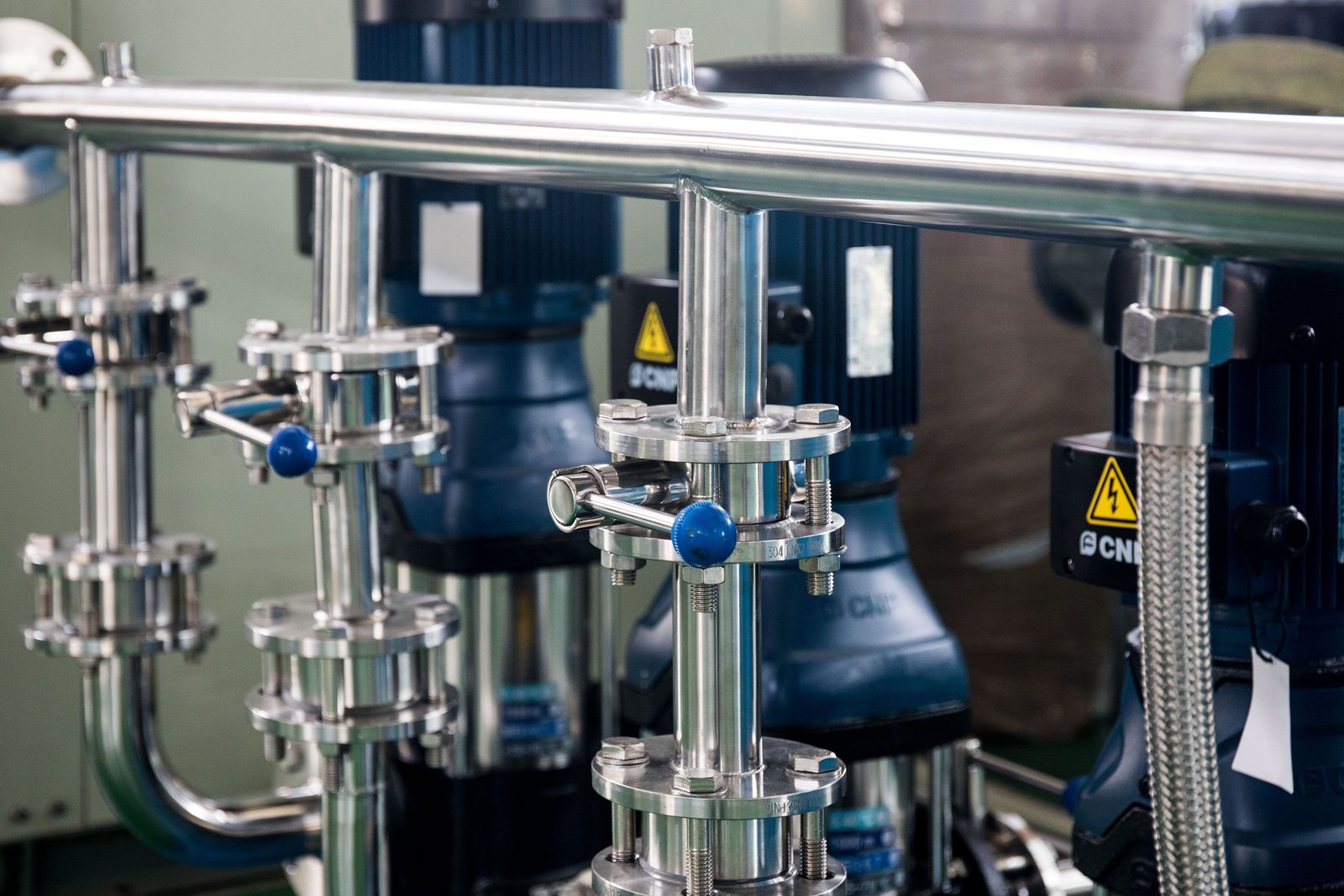
Water flows through. Microbes do the treatment. Sensors turn operating data into better decisions.
Wastewater enters a module containing the microbial consortium selected for that stream.
Microbes transform pollutants. Mixing and, where needed, aeration support their activity inside the reactor.
Sensors track operating conditions, such as pH and temperature, while sampling checks treatment performance.
Our models learn from the collected data to support process adjustments and predictive maintenance.
Select a stage to see the work and its decision point. This is a conceptual development workflow, not a fixed plant design.
Review the current treatment process and wastewater composition, variability, constraints and biological opportunities.
Identify promising targets and define the laboratory test plan.
Evaluate candidate communities under representative water and operating conditions; monitor treatment indicators in controlled experiments.
Compare results and determine whether pilot trials are justified.
Operate a monitored pilot with actual wastewater, test robustness under variable conditions and assess integration with the existing plant.
Use pilot evidence to inform an industrial deployment decision.
Each one is a reminder that evolution has already explored design spaces.

Heat + low pH
Extreme cold
High pressure + no sunlight
Near-boiling water
Tell us about your wastewater. Share a few details to prepare a feasibility inquiry for our team.